
I was lost. Completely and utterly. It was dark and late, and I desperately needed some rest. But I couldn't rest. I blinked the sleep away as I stared at my computer screen. I had been staring at the same line of text for the past 45 minutes. But I was still lost.
Sure, I was in my home office, I had a warm fire, and I was not uncomfortable in any way, other than the needing-sleep feeling that was nagging at me.I wanted to yell in frustration. I wanted to pound my fist into something ... but the only option I had was my really expensive laptop.
At length, I decided I wasn't going to make any more progress - since I'd already been making so much progress before. So, I admitted defeat. I didn't know what else to do. It was 2:30 in the morning, and I had a meeting with a client a meager 6 hours in the future.
If only I had one thing figured out - something that would have saved me hours of staring and allowed me to move on with my life ... I mean my story.
What was that one thing?
It was a sentence. Something, that I should have done when I started my story but neglected to do because I was too excited to start. I couldn't be bothered with things like planning.
What a waste of time.
But I learned my lesson. Now all of my stories have this sentence written before I start. All of my kiddos' stories have this sentence written too. It's a sentence that can have as much or as little detail as you'd like.
You want to know what it is?
The Ending.
That's it. You need to write a sentence that tells you how your story is going to end.
Simple.
Now, how is your story going to end?
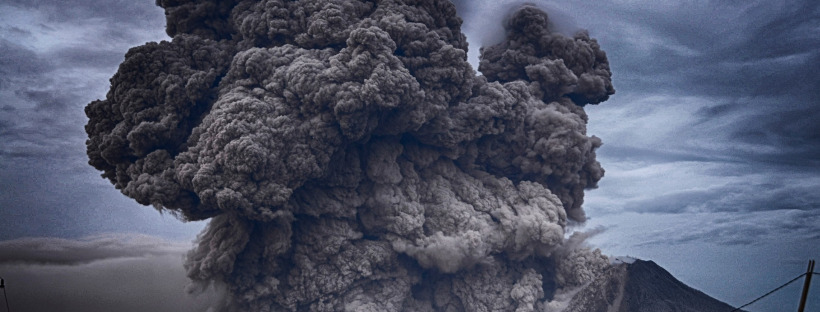 The inciting incident has several names, such as the initial conflict, the exposition, the beginning hook, among other things. What you call it doesn’t really matter. What does matter is that your scene, your sequence, your act, and your book have one.